Source wireless remote control for automatic doors, air conditioners, and access systems
Find 30 wireless remote control options for automatic doors, air conditioners, and access systems. Buyers can compare transmission distances, battery types, and certifications like RoHS and CE across multiple models from China.
Key considerations
Products List


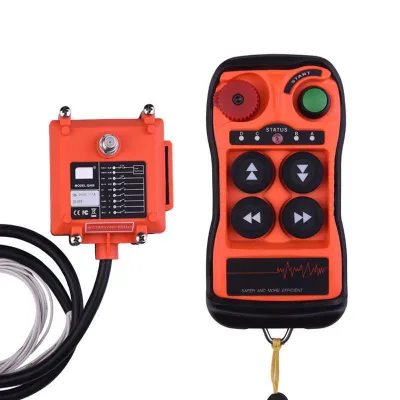


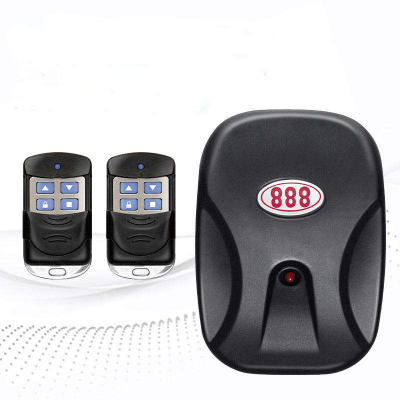


Comprehensive Sourcing Guide
Strategic Sourcing Guide for Wireless Remote Control Systems
Understanding Technical Specifications and Performance Metrics
When evaluating wireless remote control systems for B2B procurement, the primary focus must remain on the technical specifications that directly impact operational reliability. The core functionality of these devices is defined by their signal transmission capabilities, modulation modes, and effective range. Based on observed market data, transmission distances vary significantly depending on the application environment. Some units are engineered for short-range interactions, operating within a range of less than 50 meters, while others are designed for open-area performance, achieving distances between 50 and 100 meters. In specific high-performance configurations, transmission distances can exceed 100 meters.
The modulation mode is another critical technical parameter. The Ask (Amplitude Shift Keying) modulation mode is a standard observed in several product listings, indicating a specific method of encoding data onto the radio frequency carrier. This mode is essential for ensuring that the signal remains robust against interference in environments with multiple electronic devices. Buyers must verify the specific modulation technology used by the supplier, as this dictates compatibility with existing receivers and the overall stability of the connection.
Power requirements and battery specifications are equally vital. Operational voltage is typically standardized at 3V, which aligns with common battery types such as the 23A or AAA batteries. The choice of battery type influences the longevity and maintenance cycle of the remote. For instance, systems utilizing AAA batteries may offer easier replacement for end-users, whereas proprietary models like the 23A might be optimized for specific form factors or power efficiency. The physical design, including button materials like rubber, also plays a role in the tactile experience and durability of the device.
Compliance and Certification Verification
Navigating the regulatory landscape is a non-negotiable aspect of sourcing wireless remote controls. Compliance ensures that the products meet safety and electromagnetic compatibility standards required for international trade. The most frequently observed certifications in the current market include RoHS (Restriction of Hazardous Substances) and CE (Conformité Européenne). These certifications indicate that the product adheres to strict guidelines regarding hazardous materials and electrical safety within the European market.
Some product listings also reference ISO standards, such as ISOCE or ISOFCC, alongside CQC (China Quality Certification). While the presence of these marks suggests a commitment to quality management and safety, buyers must treat these as observations rather than universal guarantees. It is imperative to request valid certification documents directly from the supplier for the specific batch being purchased. The verification process should confirm that the certification covers the exact model number and that the testing was conducted by an accredited body.
In addition to international certifications, regional standards may apply. For example, products originating from specific manufacturing hubs in China, such as Fujian or Ningbo, Zhejiang, might carry local certifications like CQC. When sourcing for global distribution, the supplier must demonstrate that their products can meet the diverse regulatory requirements of the target markets, including FCC regulations for the United States and CE for Europe. Relying solely on marketing claims without documented proof can lead to significant compliance risks and potential customs delays.
Cost Drivers and Pricing Structure Analysis
The pricing structure for wireless remote controls is influenced by a complex interplay of factors, including material costs, customization levels, and order volume. The observed price range in the market is extensive, spanning from approximately 0.50 USD to 1250 USD. This wide variance reflects the difference between basic, off-the-shelf units and highly specialized, customized systems.
Material composition is a primary cost driver. Products constructed from plastic are generally more cost-effective than those utilizing premium materials, though plastic remains the dominant material in the current supply chain. The inclusion of advanced features, such as specific IP ratings or custom branding, can also elevate the price point. Furthermore, the level of customization available significantly impacts cost. While many suppliers offer standard models, the ability to customize the device, including branding and functional modifications, typically incurs additional charges.
Minimum Order Quantity (MOQ) is another critical factor in determining the unit cost. The observed MOQ ranges from 1 unit to 1000 units. Suppliers often offer tiered pricing structures where the unit cost decreases as the order volume increases. For buyers with lower volume requirements, the unit price may be higher, whereas bulk purchasers can leverage economies of scale. Additionally, the availability of free samples can be a valuable negotiation point, allowing buyers to validate product quality before committing to a larger order. However, buyers should be aware that sample availability does not necessarily correlate with the final production cost or lead time.
Typical Applications and Use Cases
Wireless remote control systems are versatile tools deployed across a wide array of industries. The specific application dictates the required technical specifications and durability standards. One of the most common applications is in the realm of automatic doors, where the remote must provide reliable, instant access control. In these scenarios, the transmission distance and signal reliability are paramount to ensure smooth traffic flow and security.
Another significant application area is in the control of household appliances, particularly air conditioners. These remotes often require specific functionality to manage modes such as Auto, Cool, Dry, Fan, and Heat, as well as fan speed settings like High, Medium, and Low. The interface design, including button layout and color (often white), is tailored to user expectations in residential and commercial HVAC settings. The ability to control packaged type air conditioners is a specific niche that requires precise signal encoding and compatibility with the receiver unit.
Beyond doors and appliances, these systems are utilized in access control scenarios involving PIN entry. The integration of PIN functionality with wireless transmission adds a layer of security, making these devices suitable for commercial buildings and secure facilities. The modulation mode and transmission distance must be optimized to prevent unauthorized access while ensuring that the signal reaches the receiver reliably. Whether for industrial automation or consumer electronics, the application context defines the necessary performance benchmarks.
Supplier Evaluation and Origin Considerations
Selecting the right supplier requires a thorough evaluation of their capabilities, location, and reputation. The supply chain for wireless remote controls is heavily concentrated in China, with major manufacturing hubs located in Fujian and Ningbo, Zhejiang. These regions offer established ecosystems for electronics manufacturing, providing access to a wide range of components and skilled labor. However, the specific origin of the product can influence logistics, lead times, and quality consistency.
When evaluating suppliers, buyers should look for evidence of consistent quality and a track record of meeting specifications. Attributes such as "Top Ranking" or "Good" quality are often mentioned in product descriptions, but these are subjective observations. A more objective approach involves requesting quality control reports, production capacity details, and references from previous clients. The ability to provide customized solutions is a strong indicator of a supplier's flexibility and technical competence.
Packaging and logistics are also important considerations. Standard packaging often involves placing one piece in a small box, while larger orders may be shipped in cartons with dimensions such as 10915 cm. The weight of the product, observed at 22.1g for certain models, affects shipping costs and handling requirements. Buyers should verify the supplier's ability to meet specific packaging requirements and ensure that the products are protected during transit to prevent damage.
Quality Control and Long-Term Procurement Strategies
Ensuring consistent quality is essential for maintaining brand reputation and operational efficiency. Quality control measures should be integrated into the procurement process from the initial sample stage through to mass production. Buyers should verify that the supplier adheres to relevant standards, such as CE, CQC, RoHS, and ISO, and that these standards are applied consistently across all production batches.
Long-term procurement strategies should focus on building a sustainable relationship with reliable suppliers. This involves establishing clear communication channels, defining quality expectations, and implementing regular audits. The availability of free samples can be a strategic tool for initial validation, but it should be followed by rigorous testing to ensure the product meets all technical and compliance requirements.
Buyers must also consider the long-term availability of components and support. As technology evolves, the ability to source replacement parts or upgrade firmware is crucial. Suppliers that offer customization and have a robust supply chain are better positioned to support long-term needs. Additionally, understanding the lead times and production capacity of the supplier is vital for planning inventory levels and managing supply chain risks. By focusing on these strategic elements, buyers can secure a reliable supply of wireless remote controls that meet their specific operational requirements.
Comparative Analysis of Product Attributes
To facilitate informed decision-making, it is helpful to compare key attributes across different product categories. The following table summarizes the observed variations in specifications, certifications, and applications based on the available data.
| Attribute Category | Observation A (Door/Access) | Observation B (HVAC/Appliance) | Observation C (General/Custom) |
|---|---|---|---|
| Primary Application | Automatic Doors | Air-Conditioner | Household Appliances |
| Transmission Distance | 50-100m (Open Area) | <50m | >100m |
| Modulation Mode | Ask | Not Specified | Radio Waves |
| Battery Type | 23A | AAA Battery | Not Specified |
| Voltage | 3V | 3V | 3V |
| Certifications | RoHS, CE | CE, CQC, RoHS, ISO | RoHS, ISOCE, ISOFCC |
| Material | Plastic | Plastic | Plastic |
| Button Material | Rubber | Not Specified | Not Specified |
| Customization | Available | Customized | Customized |
| MOQ Range | 1-1000 | 50PCS | 1-1000 |
| Origin | Fujian, China | Ningbo, Zhejiang | China |
This comparison highlights the diversity in the market. While voltage and material remain consistent across many models, transmission distance and modulation modes vary significantly based on the intended application. Buyers should use this framework to identify products that align with their specific operational needs, ensuring that the selected remote control system offers the necessary range, reliability, and compatibility. By carefully analyzing these attributes, procurement professionals can make data-driven decisions that optimize performance and cost-effectiveness.
FAQs
What certifications do wireless remote controls typically have?
Common certifications include RoHS and CE for safety and environmental compliance. Some listings also reference ISO standards like ISOCE or ISOFCC alongside CQC, but buyers must verify valid documents for the specific batch before purchase.
How far can these remotes transmit signals effectively?
Transmission distances vary by application, ranging from less than 50 meters to over 100 meters in open areas. Specific models are engineered for 50 to 100 meters, while others operate within shorter ranges depending on the environment.
Which battery types are used for 3V wireless remotes?
Operational voltage is typically 3V, supported by battery types such as 23A or AAA batteries. The choice influences longevity, with AAA offering easier replacement and 23A often optimized for specific form factors or power efficiency.
Can I customize the wireless remote control for my brand?
Customization is available for many products, allowing for branding and functional modifications. Buyers should note that customized solutions typically incur additional charges and require verification of the supplier's technical competence and flexibility.
What is the minimum order quantity for these devices?
The observed minimum order quantity ranges from 1 unit to 1000 units depending on the supplier. Lower volume orders may have higher unit costs, while bulk purchasers can leverage economies of scale to reduce the price per unit.
Where are these wireless remote controls manufactured?
Manufacturing is concentrated in China, with major hubs in Fujian and Ningbo, Zhejiang. The specific origin can influence logistics and lead times, so buyers should verify the production location to ensure consistent quality and supply chain reliability.